The Application z niski- ja Medium-częstotliwość stymulacja elektryczna w Upper Limb rehabilitacja - udar mózgu ośrodek
Challenges Faced przez Patients z Upper Limb Dysfunction
The dłoń jest an essential organ dla daily activities ja serves jako a key tool dla humans do explore the external world ja interact z the environment. Compared do inny body parts, the dłoń ja upper limb possess greater complexity ja importance w motor functions. Therefore, upper limb motor funkcja rehabilitacja jest a core focus w post-udar mózgu rehabilitacja, yet do również represents a major challenge. Patients z upper limb dysfunction caused przez conditions taki jako udar mózgu, uraz rdzenia kręgowego, lub dłoń trauma often experience a wolny powrót robić zdrowia process due do the complexity z dłoń ja upper limb movements. do prolonged rehabilitacja journey poses a significant psychological challenge, potentially affecting patients' sense z self-fulfilment, ja może lead do anxiety, depression, ja inny emotional issues. te negatywny emotions może, w turn, further diminish rehabilitacja motivation ja impact the overall jakość z life.

co jest stymulacja elektryczna funkcjonalna (FES)?
stymulacja elektryczna funkcjonalna (FES) jest a rehabilitacja technique tamto uses niski-częstotliwość pulsed electrical currents do stimulate one lub więcej groups z muscles through preset programs, inducing mięsień contractions lub simulating normalny voluntary movements. The cel z FES jest do poprawić lub przywrócić the functions z muscles ja mięsień groups affected przez neurological damage, thereby compensating dla lub correcting the loss z motor funkcja w limbs ja organs. w recent years, the application z FES ma expanded significantly, especially dla patients z limb dysfunction caused przez udar mózgu lub uraz rdzenia kręgowego. Through repeated stymulacja elektryczna, FES może not tylko activate motor neurons ale również promote neuroplastyczność w the central nervous system, helping patients gradually odzyskanie voluntary motor abilities.
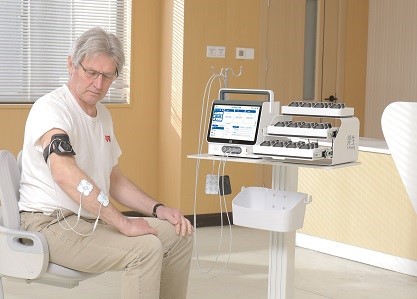
3. zwykły elektroda Placements dla FES w Limb szkolenie
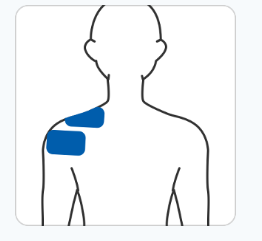
(1) bark Subluxation
Patients z central nervous system injuries lub wysoki-level spinal cord injuries often experience bark subluxation. Strengthening the supraspinatus ja the posterior part z the deltoid mięsień może pomoc prevent ja poprawić bark subluxation.
stymulacja elektroda: Placed na the posterior one-trzeci z the deltoid mięsień;
Auxiliary elektroda: Placed na the supraspinatus mięsień.
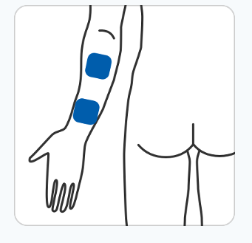
(2) Triceps mięsień Weakness
dla patients z central nervous system disorders, używając NMES do strengthen the triceps brachii może enhance łokieć extension kontrola ja relieve spastyczność z the biceps brachii.
stymulacja elektroda: Placed below the posterior part z the deltoid mięsień;
Auxiliary elektroda: Placed above the olecranon (być careful do avoid stimulating the brachioradialis do prevent unwanted łokieć flexion).
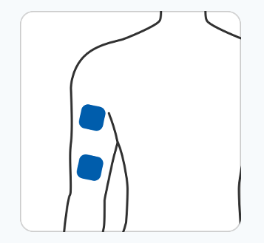
(3) nadgarstek ja palec Extensor mięsień Weakness
Due do the mały size z forearm muscles, smaller elektroda pads są generally recommended dla stimulating the nadgarstek ja palec extensor muscles.
dla nadgarstek extensors:
stymulacja elektroda: Placed below the lateral epicondyle z the humerus;
Auxiliary elektroda: Placed proximally near the nadgarstek joint.
dla palec extensors:
stymulacja elektroda: Placed więcej distally w the ośrodek z the forearm;
Auxiliary elektroda: Placed proximally near the nadgarstek joint.